
Surface Treatment
- Home
- /
- Surface Treatment
Surface Treatment
Surface treatments used in daily manufacturing of parts for the automotive industry are selected to serve functional and decorative requirements achieved by mass production. Increased loads (mechanical, thermal, etc.), longer lifetime, weight reduction, friction reduction, and corrosion resistance are demanded for modern automotive systems.
Within the last decade, improved and new deposition techniques were developed in PVD, PECVD, thermochemical heat treatment and thermal spraying.
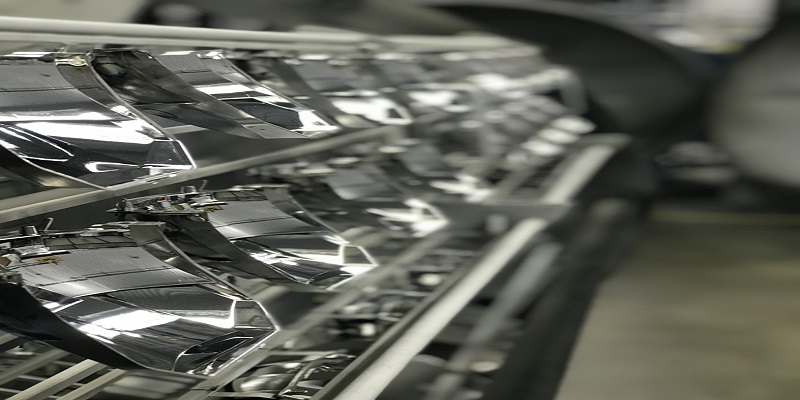
Metalizing masking
The metalizing process starts with preparing the surface of the product. Then a metal wire is melted in metalizing spray equipment to become molten. After this, clean and compressed air atomizes the material, and the air then transports the atomized metal onto the product surface to form the coating.
- Tooling
- Loading
- Applying the base coating
- Vacuum metalizing
- Applying the top coat
- Quality inspection
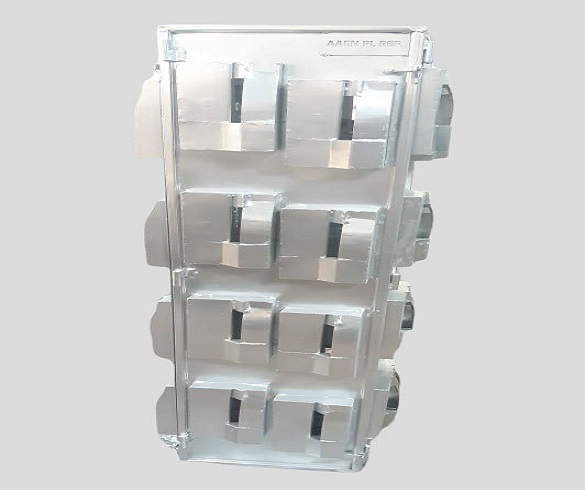
Paint masking
Paint masking is one of the most important steps taken in automotive refinishing and collision repair before any paint is applied onto the car, and masking tapes and films have a significant role in pre-painting preparation. The end result of a paint process can depend on something so simple yet crucial as application of masking supplies.
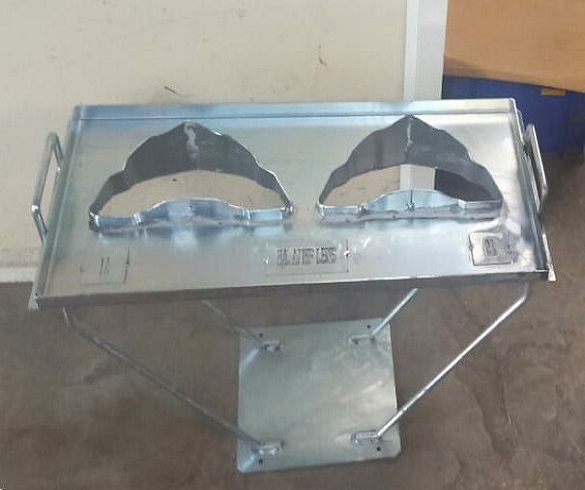
- Clean the surface area
- Mask the element
- Outline and cover the object
- Give the object a final check
- Unload the part